
How NIPT Identifies Chromosomal Conditions Through DNA Analysis
- Concepto Diagnostics
- Dec 18, 2025
- 3 min read


Non-invasive prenatal testing (NIPT) has become one of the most trusted ways for expecting parents to understand their baby's genetic health early in pregnancy. With just a simple blood sample, this screening method studies tiny fragments of your baby's DNA. Its accuracy, safety, and ease have made it a preferred choice for many families who want clearer information about their child's future. Moreover, with the right NIPT test, families can plan for their future accordingly, which helps their baby grow strong and more confident in life. In this blog, the best NIPT Test Providers in the UK will tell you how the condition of the baby can be detected through DNA analysis.

Understanding the Science Behind NIPT
During pregnancy, small pieces of cell-free fetal DNA (cffDNA) naturally enter the mother’s bloodstream. These fragments come from the placenta and closely match the baby’s genetic makeup. By examining this DNA, doctors can gather early information about possible chromosomal differences. Since this DNA floats freely in the mother’s blood, analyzing it offers a non-invasive glimpse into the baby’s genetic blueprint without affecting the pregnancy.
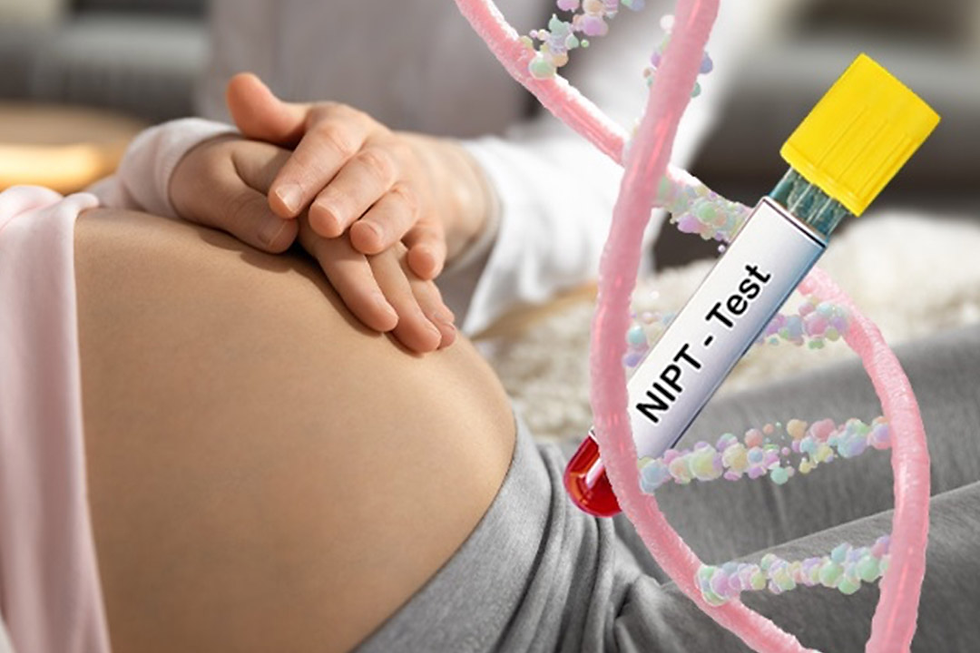
How NIPT Analyzes DNA Step-by-Step
The NIPT process begins with a routine blood draw, similar to any standard test. Once the sample reaches the laboratory, experts use highly advanced genetic sequencing tools to measure and interpret the DNA fragments present. They count the number of DNA pieces from each chromosome and compare them to the expected levels. If a chromosome shows extra or missing DNA fragments, it may indicate a condition known as aneuploidy, a difference in chromosome number. The final step includes powerful bioinformatics systems that analyze thousands of data points to ensure accuracy before your results are generated. If you want to do your NIPT test from the best test center in the UK, then contact the well-known Private NIPT Lab Services in the UK, and enjoy a happy prenatal life.

Chromosomal Conditions NIPT Can Detect
NIPT is especially effective at screening for major chromosomal conditions, including:
● Edwards syndrome (Trisomy 18) – a condition linked with developmental challenges.
● Patau syndrome (Trisomy 13) – a rare but serious chromosomal abnormality.
The test can also screen for sex chromosome differences such as Turner syndrome (Monosomy X) or Klinefelter syndrome (XXY). Some extended NIPT panels even look for microdeletions or rarer genetic differences, depending on the technology used. However, it's important to remember that NIPT is a screening, not a diagnostic test, which means confirmatory testing may be needed. Accuracy and Reliability
NIPT is known for its high sensitivity and specificity, especially for detecting Down syndrome. Factors like fetal fraction (the amount of fetal DNA in the sample) and maternal health can influence results. If the test shows a high-risk result, doctors usually recommend follow-up diagnostic tests such as amniocentesis for confirmation.
Conclusion
NIPT uses advanced DNA analysis to identify possible chromosomal conditions early in pregnancy, offering a safe and dependable screening option. By understanding how the test works, expecting parents can feel more confident and empowered on their prenatal journey. If you're considering NIPT, discussing it with your healthcare provider is the best first step. Moreover, choosing NIPT is the best option for early gender testing. To know more about this NIPT test, you can consult the best doctor from Concepto Diagnostics, the best Private NIPT Blood Provider in Ireland, and make your NIPT test successful.
Also Read: How Does NIPT Analyze Your Baby's DNA?


Comments